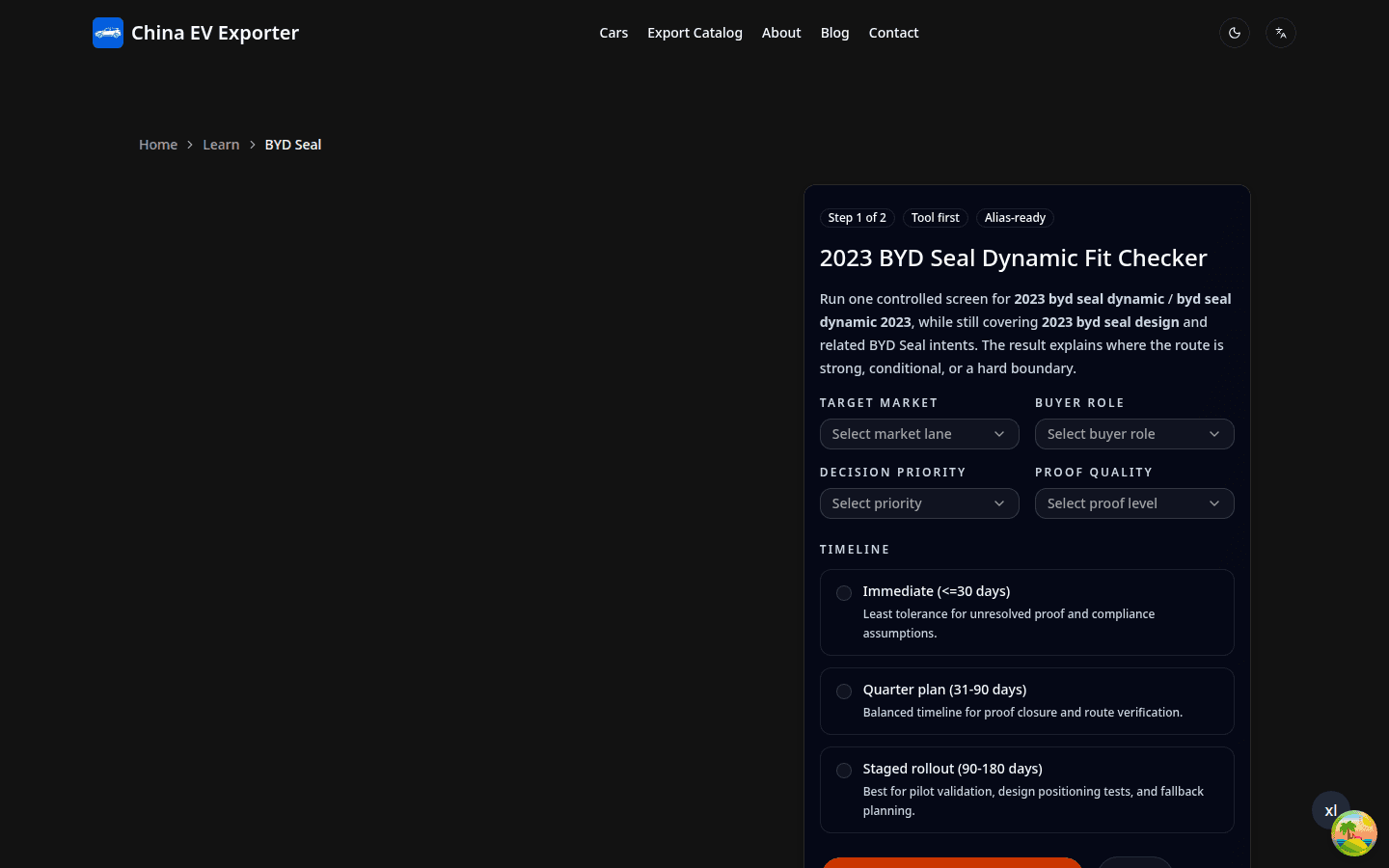
LFP vs. NMC Batteries in Chinese EVs: A Procurement and Climate Adaptation Guide
LFP vs. NMC batteries guide for choosing Chinese EV packs by fleet climate, cycle life, safety, and import procurement risk. Audit your shortlist before RFQ.
When global procurement teams approach the Chinese Electric Vehicle (EV) market, they are immediately confronted with a fundamental engineering choice: Lithium Iron Phosphate (LFP) or Nickel Manganese Cobalt (NMC) batteries. Because Chinese OEMs dominate the global supply chain for both chemistries, importers have unprecedented access to highly specialized battery architectures. However, making the wrong choice for your specific regional climate, fleet application, or regulatory environment can lead to catastrophic operational failures, rapid degradation, or unnecessary upfront capital expenditure.
Over the past three years, the Chinese domestic market has aggressively pivoted toward LFP, spearheaded by innovations like the BYD Blade Battery and the CATL Shenxing pack. Yet, many global distributors and fleet operators still default to NMC batteries out of habit, assuming that higher energy density automatically equates to a superior vehicle. This assumption is fundamentally flawed when applied to commercial fleet operations in extreme climates.
This guide provides a rigorous engineering and procurement framework for evaluating LFP and NMC battery chemistries in parallel-imported Chinese EVs. It defines the application boundaries, thermal limits, and lifecycle economics necessary for making informed, data-driven sourcing decisions. If you are currently evaluating vehicle specifications, we strongly recommend cross-referencing this guide with our Chinese EV Export Catalog and the Spare Parts Diagnostics Guide to build a holistic fleet deployment strategy.
Update as of July 2026: With the introduction of the latest generation of fast-charging LFP packs (capable of 4C/5C charge rates), the traditional gap in charging speed between LFP and NMC has significantly narrowed. However, extreme cold weather performance remains a critical differentiating factor that procurement managers must model before placing high-volume orders.
Scope: This document is intended for commercial importers, fleet operators, and automotive engineers sourcing vehicles from China. It provides a strategic procurement framework and does not constitute localized homologation or dangerous goods certification advice.
1. The Engineering Realities: LFP vs. NMC
To make an informed procurement decision, one must first understand the core electrochemical differences between Lithium Iron Phosphate (LiFePO4 / LFP) and Lithium Nickel Manganese Cobalt Oxide (LiNiMnCoO2 / NMC). Both are lithium-ion batteries, but the cathode materials dictate fundamentally different performance envelopes.
Lithium Iron Phosphate (LFP)
LFP batteries utilize iron and phosphorus, materials that are abundant, cheap, and non-toxic. Chinese OEMs have championed this technology, driving costs down while optimizing pack-level density through Cell-to-Pack (CTP) and Cell-to-Chassis (CTC) integration.
- Key Advantage: Exceptional thermal stability, ultra-long cycle life, and low procurement cost.
- Key Disadvantage: Lower volumetric and gravimetric energy density, and steep voltage drops in freezing temperatures.
Nickel Manganese Cobalt (NMC)
NMC batteries rely on expensive, supply-constrained metals (Nickel and Cobalt). They represent the traditional standard for Western OEMs and are heavily utilized in premium Chinese export models (e.g., Zeekr 001, Nio ET7) demanding ultra-long range.
- Key Advantage: High energy density, yielding longer range in a smaller, lighter package, alongside better baseline cold-weather performance.
- Key Disadvantage: Higher cost, shorter cycle life, and lower thermal runaway thresholds (making them inherently more volatile in crash scenarios).
2. Cycle Life and Total Cost of Ownership (TCO)
For commercial fleet operators (taxis, ride-hailing, last-mile delivery, and corporate pools), the most critical metric is not zero-to-sixty acceleration; it is Cycle Life. This metric defines how many full charge-discharge cycles the battery can endure before degrading to 80% of its original State of Health (SOH).
Modern LFP batteries sourced from tier-one Chinese suppliers routinely exceed 3,000 to 4,000 full charge cycles with minimal degradation. This translates to roughly 800,000 to 1,000,000 kilometers of operational lifespan. For a fleet operator, the vehicle's chassis or interior will likely wear out long before the LFP battery requires replacement.
Conversely, high-density NMC batteries typically offer 1,500 to 2,000 cycles. While this equates to 400,000+ kilometers (perfectly adequate for private passenger vehicles), it poses a significant risk for high-utilization commercial fleets that rapid-charge multiple times daily.
Procurement Rule: If the vehicle will be driven more than 60,000 kilometers per year, LFP is the economically mandatory choice.
3. Climate Adaptation: The Ultimate Application Boundary
Battery chemistry reacts aggressively to ambient temperature. A vehicle that performs flawlessly in the temperate climate of Shenzhen may experience catastrophic range anxiety in Oslo or thermal throttling in Dubai. Fleet procurement must model regional climate extremes before selecting a battery chemistry.
The Extreme Heat Scenario (Middle East, Africa, Southeast Asia)
In regions where ambient temperatures regularly exceed 40°C (104°F) and road surface temperatures can reach 60°C, thermal stability is paramount.
- LFP Advantage: LFP chemistry has a substantially higher thermal runaway threshold (approximately 270°C to 300°C). It is inherently more stable under intense heat and rapid DC fast charging in hot climates. Furthermore, LFP degrades at a much slower rate than NMC when stored or operated at high temperatures at a 100% state of charge.
- NMC Limitation: NMC batteries experience rapid chemical degradation when exposed to prolonged high temperatures, drastically reducing their lifespan. Furthermore, their thermal runaway temperature is lower (around 210°C). If the vehicle's Thermal Management System (TMS) fails in the desert heat, an NMC pack poses a significantly higher fire risk.
The Extreme Cold Scenario (Nordics, Russia, Northern Europe)
In regions where winter temperatures plummet below -10°C (14°F), the electrochemical kinetics within the battery slow down significantly.
- NMC Advantage: NMC batteries maintain their energy output much better in sub-zero temperatures. A typical NMC pack might lose 15-20% of its usable range in freezing conditions without active pre-conditioning.
- LFP Limitation: LFP is notoriously sensitive to deep cold. Without a highly effective heat pump and active battery thermal management system (BTMS), an LFP battery can lose 30% to 40% of its range in sub-zero environments, and charge acceptance (regenerative braking and DC fast charging) is severely curtailed to prevent lithium plating.
- The Engineering Workaround: Chinese OEMs have largely solved LFP's cold-weather limitations by integrating advanced heat pumps and intelligent pre-conditioning software. However, cheaper, budget-tier EVs exported from China may lack these critical hardware components, rendering their LFP packs unusable in Nordic winters.
4. The Supply Chain and Procurement Matrix
When sourcing from China, procurement teams must evaluate the specific battery architecture utilized by the OEM. The table below compares the core metrics of standard architectures available in the parallel export market, serving as a baseline for your Request for Quotation (RFQ).
| Battery Architecture / Chemistry | Typical Supplier | Volumetric Energy Density | Cycle Life (Est.) | Thermal Runaway Threshold | Climate Suitability | Best Commercial Application |
|---|---|---|---|---|---|---|
| Blade Battery (LFP) | BYD | ~290 Wh/L | 3000 - 4500 | Very High (Nail penetration safe) | Tropics / Desert / Temperate | Ride-hailing, Taxis, High-mileage fleets |
| Shenxing Superfast (LFP) | CATL | ~300 Wh/L | 3000+ | High | Temperate / Tropics | Last-mile delivery, Commercial vans |
| Qilin (NMC 811) | CATL (Zeekr, Li Auto) | ~450 Wh/L | 1500 - 2000 | Moderate | Cold / Temperate | Premium executive transport, Long-haul |
| Generic Prismatic (LFP) | Gotion, CALB | ~250 Wh/L | 2500 - 3000 | High | Tropics / Temperate | Budget commuter fleets, low-speed EVs |
| Standard NCM 523 | Various | ~350 Wh/L | 1500 - 2000 | Moderate | Temperate / Cold | Legacy export models, mixed-use |
| Semi-Solid State (NMC) | WeLion (Nio) | ~500+ Wh/L | ~1500 | High | Cold / Temperate | Ultra-long range private vehicles (niche) |
Note: Cycle life and energy density are approximate averages based on 2026 production data. Actual performance is heavily dependent on the OEM's Battery Management System (BMS).
5. Homologation, Safety, and Dangerous Goods Shipping
Exporting EVs from China is not merely a transaction; it is a complex logistics operation heavily regulated by international dangerous goods (DG) frameworks. The battery chemistry dictates not only the performance of the vehicle but also how it can be shipped and legally imported.
UN38.3 and Sea Freight Regulations
Both LFP and NMC batteries are classified as Class 9 Dangerous Goods under the UN Model Regulations. However, the inherent stability of LFP makes it easier to pass the rigorous UN38.3 testing requirements (which include vibration, shock, short-circuit, and thermal tests). When parallel importing, you must demand the UN38.3 certificate and the Material Safety Data Sheet (MSDS) from the supplier before arranging logistics. RoRo (Roll-on/Roll-off) shipping lines often scrutinize the battery chemistry and SOH (for used EVs); heavily degraded NMC batteries pose a severe maritime fire risk and are frequently rejected by carriers.
The 100% Charge Habit
One of the most practical arguments for LFP in a commercial context is human behavior. LFP batteries can—and should—be charged to 100% regularly to allow the BMS to calibrate voltage accurately. NMC batteries degrade rapidly if frequently charged to 100% or allowed to sit at a high state of charge. If you are managing a fleet where drivers habitually plug in and demand a full charge every night, an NMC fleet will experience accelerated degradation, voiding warranty models and destroying your TCO calculations.
6. Procurement & Engineering Checklist (采购与工程选型清单)
Do not authorize a letter of credit or transfer a deposit without verifying the following technical parameters with your Chinese sourcing agent or direct OEM contact:
- Chemistry Verification: Explicitly request the exact battery chemistry and the cell manufacturer (e.g., CATL, BYD/FinDreams, CALB, Gotion) on the proforma invoice. Do not accept generic terms like "Lithium-Ion."
- Thermal Management Hardware: For regions experiencing temperatures below 0°C or above 35°C, verify the presence of a liquid cooling/heating circuit and an integrated heat pump. Reject models utilizing passive air cooling for fleet operations.
- BMS Calibration Constraints: Request documentation on the Battery Management System's behavior. Does the vehicle require a weekly 100% charge to balance the cells (typical of LFP)? Can your fleet depot infrastructure support this?
- UN38.3 and MSDS Compliance: Ensure the supplier holds valid, up-to-date UN38.3 test reports for the specific battery pack model. Freight forwarders will block the shipment without this.
- Replacement Part Logistics: Verify that the supplier has a certified dangerous goods supply chain capable of exporting a replacement high-voltage battery pack (Class 9 HazMat) to your destination country if a catastrophic failure occurs. (Refer to our Diagnostics Guide for details).
- SOH Guarantee for Used/0km Exports: If importing slightly used or "0km" parallel export vehicles, demand an OBD-II diagnostic printout detailing the battery's State of Health (SOH) and the delta voltage across cell modules prior to export clearance.
7. Frequently Asked Questions (FAQ)
Is it true that LFP batteries are significantly heavier than NMC, reducing the vehicle's payload capacity?
A: Historically, yes. Because LFP has a lower gravimetric energy density (Wh/kg), an LFP pack was substantially heavier than an NMC pack of the same capacity. However, modern Cell-to-Pack (CTP) architectures, such as the BYD Blade, eliminate the weight of intermediate modules, narrowing the pack-level weight gap. For commercial vans, the payload impact is now marginal, but for premium sports sedans, NMC remains the lighter choice.
If our fleet operates in Scandinavia, should we completely avoid Chinese EVs with LFP batteries?
A: No, you do not need to avoid LFP, provided you select the right vehicle trim. A modern LFP-equipped vehicle with an advanced heat pump and active battery pre-conditioning (like the BYD Seal or Zeekr models) performs adequately in Scandinavian winters. However, budget-tier LFP models with basic PTC heaters will suffer severe range collapse and should be avoided in sub-zero climates.
We are importing EVs to the UAE. Can we use NMC batteries?
A: While NMC vehicles are sold in the Middle East, LFP is vastly superior for desert climates. Prolonged exposure to extreme heat accelerates NMC degradation and increases thermal runaway risks if the active cooling system fails. LFP offers superior safety margins and longevity in high-ambient-temperature environments.
Why do some parallel exported EVs display a sudden drop in battery percentage?
A: This is common in LFP batteries that have not been fully charged recently. LFP chemistry has a very flat voltage curve, making it difficult for the Battery Management System (BMS) to estimate the true State of Charge (SOC) in the middle of the curve. Fleet operators must mandate that drivers charge the vehicle to 100% at least once a week to allow the BMS to recalibrate.
Can we export a damaged EV battery back to China for warranty replacement?
A: Legally and logistically, this is almost impossible. Shipping a damaged or defective lithium-ion battery requires incredibly strict and expensive dangerous goods packaging, and Chinese customs heavily restrict the import of used or damaged battery waste. Warranty strategies must revolve around local replacement and local recycling.
8. Strategic Conclusion & Next Steps
Selecting the correct battery chemistry is the foundation of a profitable EV fleet deployment. LFP provides unparalleled cycle life and thermal stability at a lower cost, making it the undisputed champion for commercial operations in hot and temperate climates. NMC offers the energy density required for extreme range and better baseline cold-weather performance, appealing to the premium passenger market.
Failing to align the battery architecture with your operational environment will result in stranded assets, logistics nightmares, and broken TCO models.
At China EV Exporter, our engineering and procurement teams specialize in matching global buyers with the exact vehicle specifications demanded by their local climate and commercial use case. We navigate the complexities of OEM battery configurations, UN38.3 logistics, and parallel export compliance.
Contact our engineering procurement team today to audit your vehicle shortlist and ensure you are importing the optimal battery architecture for your market.
Sources & References
- IEA Global EV Outlook 2026 - Electric Vehicle Batteries - Data on the global shift toward LFP chemistries and market share metrics.
- SAE J2929 - Safety Standard for Electric and Hybrid Vehicle Propulsion Battery Systems - Baseline engineering standard for evaluating thermal runaway and battery safety.
- UL 2580 - Standard for Batteries for Use in Electric Vehicles - Key reference for battery structural integrity and safety protocols.
- UN ECE Regulation No. 100 Rev.3 - International regulations governing the safety requirements of electric vehicle powertrains.
Author

Categories
More Posts
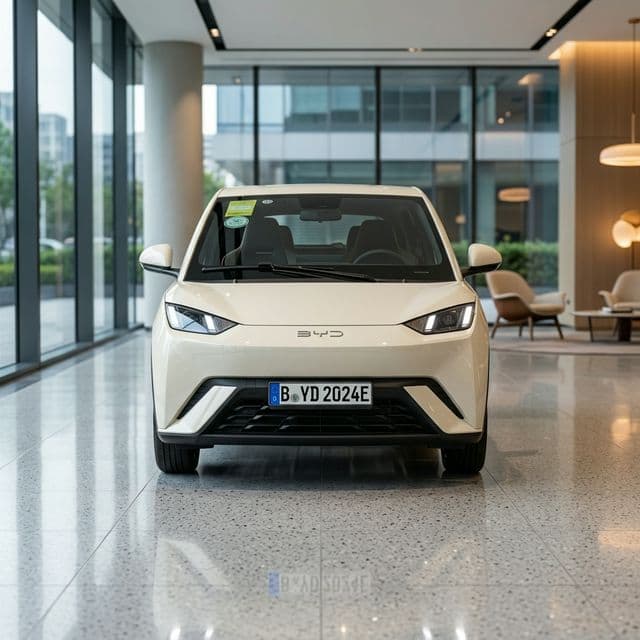
Region Locks and OTA Updates: Software Risks of Parallel Importing Chinese EVs
Procurement guide to software localization, region locks, ADAS geofencing, and OTA risks in parallel-imported Chinese EVs.
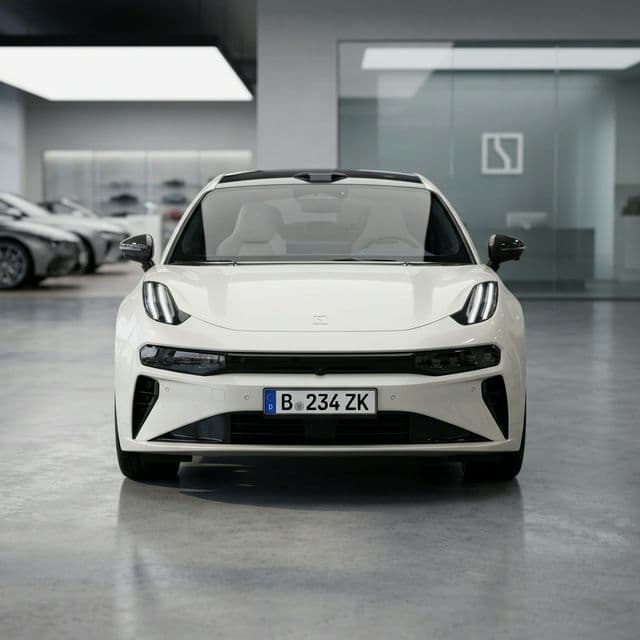
China EV Export Market Update (2026-W16): Hormuz Volatility, Panama Booking Rule Shift, and UK-Australia Compliance Gates
China EV export market update for 2026-W16: Hormuz volatility, Panama booking-rule shifts, UK eCoC deadlines, and Australia ADR 79/05 compliance gates.
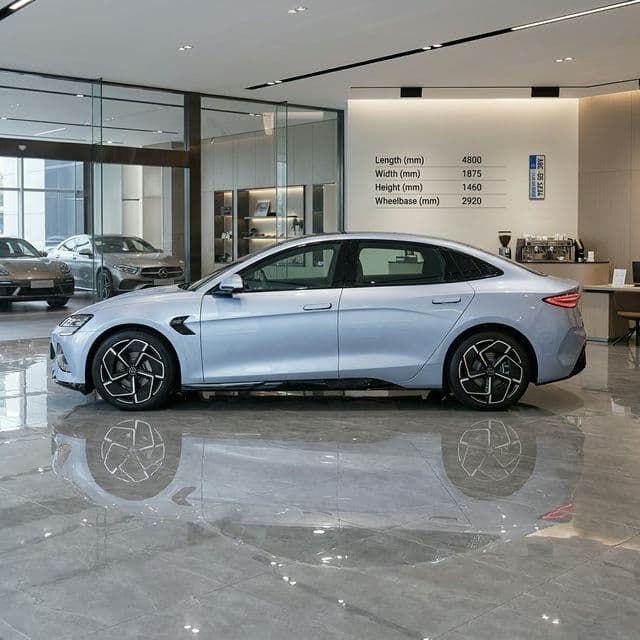
China EV Export W30: EU PHEV Tariffs & Red Sea Escalation
China EV export market update for 2026-W30: EU PHEV tariff risk, Houthi Saudi embargo routing, COSCO RoRo turnback, and Australia RAV motive-power checks.